Carbon monoxide safety tips

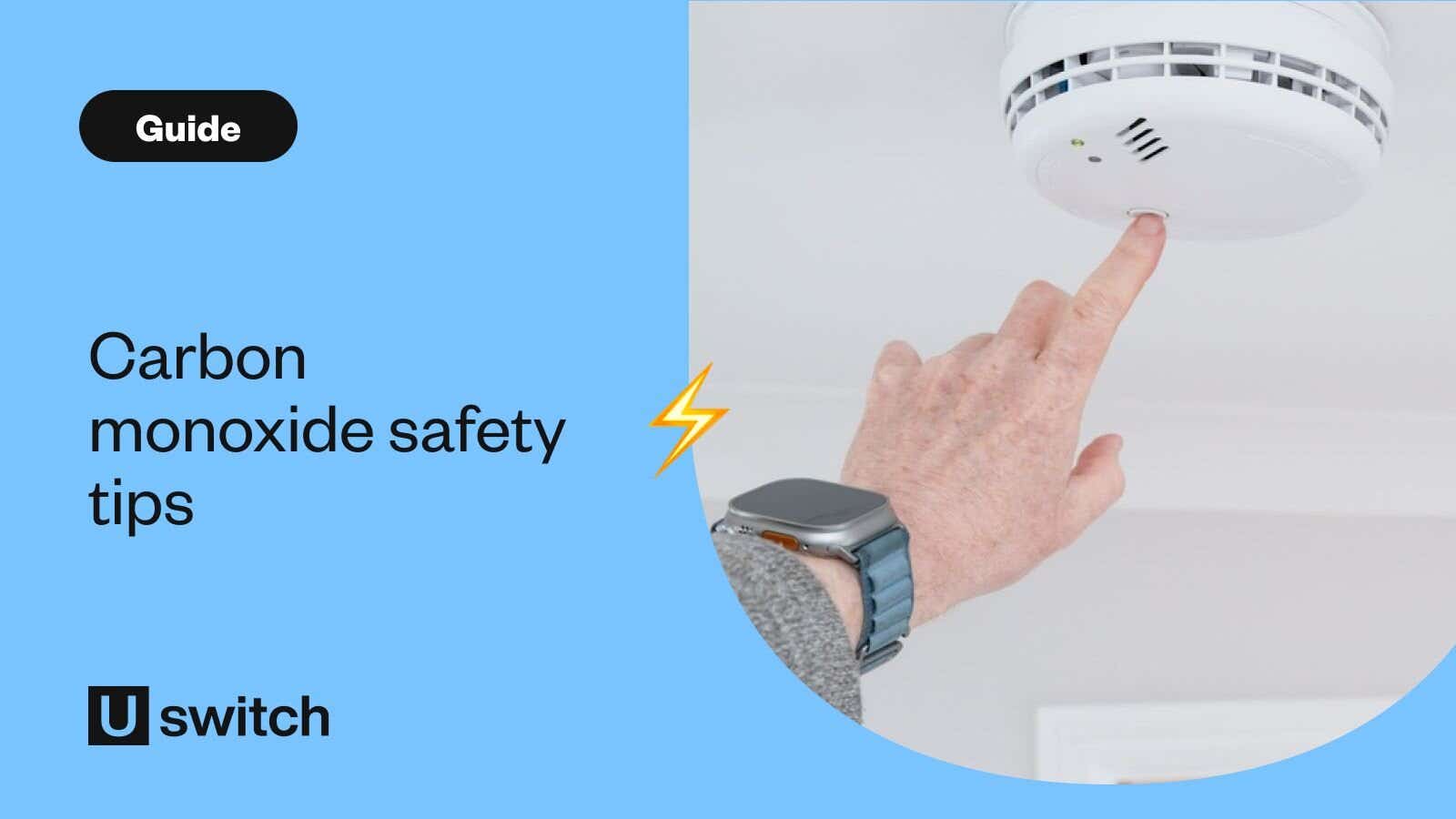
Carbon monoxide poisoning poses a danger to any household. The good news is that you don’t have to worry about becoming a victim if you use a carbon monoxide detector or carbon monoxide alarm. You may even be able to get a free carbon monoxide detector from your gas supplier.
In this guide, we'll reveal what carbon monoxide is, what the signs of carbon monoxide poisoning are, what you can do to detect it, and how you can prevent it from happening in the first place.
What is carbon monoxide?
Carbon monoxide is produced when there's not enough oxygen to bond with carbon-producing compounds. It occurs naturally, but more often in enclosed spaces like your home. One of the sources of carbon monoxide is faulty gas appliances like heaters, boilers and fireplaces; another is if chimney flues or vents become blocked.
Carbon monoxide can also be produced by burning oil, wood, petrol and coal.
How dangerous is carbon monoxide?
Carbon monoxide poisoning is extremely dangerous. It can’t be seen, heard, smelt or tasted, which is why it’s referred to as the ‘silent killer’.
According to Statista, deaths rise during the colder months of the year, peaking in December when more people have their heating on. NICE reports that there are approximately 40 deaths, 200 non-fatal poisonings requiring hospital admission and 4,000 admissions to A&E from carbon monoxide poisoning each year. However, as NICE says, "The signs and symptoms of low-level carbon monoxide toxicity are often non-specific and simulate other common conditions, such as flu-like illness, food poisoning, or depression. As a result, carbon monoxide poisoning may be misdiagnosed."
If you would like to know more about making sure your home is 'gas safe', consult our list of gas safety tips.
What are the symptoms of carbon monoxide poisoning?
As a colourless and odourless gas, carbon monoxide is difficult to detect, but there are several clear symptoms that indicate carbon monoxide danger. The six main symptoms as identified by the Gas Safe Register are:
- headaches
- dizziness
- breathlessness
- nausea
- collapse
- loss of consciousness.
Although you could suffer any or all of these symptoms for a variety of reasons, if you, your family or pets are only afflicted by these flu-like symptoms while at home – i.e., as soon as you go outside, the symptoms magically disappear – then you could be feeling the effects of carbon monoxide poisoning.
What to do in case of an emergency
If you start to notice these symptoms, or if the alarm on your carbon monoxide detector sounds, you should open doors and windows, turn off any gas appliances and leave your home.
If you're feeling the effects of carbon monoxide poisoning, either call an ambulance or get yourself to hospital. If you suspect there is a gas or carbon monoxide leak in your home, call the Gas Emergency Helpline on 0800 111 999 to report it. Find out more about dealing with gas leaks here.
Do you need a carbon monoxide detector?
Every home should be fitted with at least one carbon monoxide alarm. Carbon monoxide detectors could save your life as they’re designed to sound an alarm before carbon monoxide levels in your home reach dangerous concentrations.
If you’re living in rented accommodation, then under current regulations your landlord must fit a carbon monoxide alarm where needed. These vary depending on where you live:
- England: Regulations state that your landlord must fit a carbon monoxide alarm in any room used as living accommodation that contains a fixed combustion appliance – excluding gas cookers.
- Scotland: Regulations apply to all homes, not just rented properties, and are the responsibility of the property owner. They state, “If you have a carbon-fuelled appliance like a boiler, open fire or wood burner, you must also have a carbon monoxide detector in the same room. This does not need to be linked to the smoke alarms. Gas cookers and hobs do not need a carbon monoxide detector.”
- Wales: Landlords must follow the guidance provided by the Welsh Government to ensure their rentals are fit for human habitation. Guidance includes fitting “properly sited and maintained carbon monoxide detectors” along with “regular maintenance of carbon monoxide alarms” in any home where gas, oil or solid fuels are used for heating or cooking.
- Northern Ireland: Regulations state that, “Carbon monoxide alarms are a mandatory requirement for all homes where a new fossil fuel appliance is installed in Northern Ireland.”
A carbon monoxide monitor is cheap to buy and easy to install, and you may even be able to get a free carbon monoxide detector from your gas supplier.
These small devices look similar to a smoke alarm, and cost between £15 and £35 from most reputable DIY stores.
Make sure you get an audible alarm rather than those that give visible warnings, or 'black spot' alarms, as you are most at risk from carbon monoxide poisoning while you sleep.
When you buy your alarm, make sure it has both the British Kitemark and EN 50291-1/EN 50291-2 logos (sometimes shown as BS EN 50291-1:2018 and BS EN 50291-2:2019). The latter is the European standard for carbon monoxide detectors, while the British Kitemark ensures the product and manufacturer have undergone additional rigorous testing and audits.
How to install your carbon monoxide alarm
When you install your alarm, make sure you put it in a central location like the hallway, place it at head height, and make sure it’s at least a metre from any appliances.
The golden rule, as with smoke alarms, is to test it regularly and replace the batteries at least once a year, or when the low battery alarm sounds.
How can you prevent carbon monoxide leaks in your home?
The key to preventing carbon monoxide is regular maintenance of your appliances. First, check your appliances for the Gas Safe Register's tell-tale signs:
- Your cooker flames should be strong and blue, not weak and yellow or orange.
- Watch out for soot or yellow-brown staining around or on appliances.
- Your boiler pilot light should be constant and not blow out.
- Look out for increased levels of condensation on the inside of your windows.
If you notice any of these signs on your boiler or oven, turn it off immediately and call in an accredited engineer.
You should also make sure your boiler and gas appliances are regularly maintained (at least on an annual basis) by a Gas Safe Registered engineer. The Gas Safe Register, previously known as CORGI, is the UK's gas safety body.
Just look out for the Gas Safe Register logo — a yellow triangle — on your engineer's registration card. If you're in any doubt, check on the Gas Safe Register website or call 0800 408 5500.
The same principle applies when you're having appliances installed in your home. Always make sure your installer is Gas Safe Registered-accredited or look for HETAS accreditation if you’re having any sold-fuel appliances installed or serviced.
Other things you should do to avoid potential carbon monoxide poisoning include not leaving your car engine running in your garage (even with the garage door open). When using a barbeque grill, always use it out of doors away from your windows and doors. If cold, avoid relying on your gas cooker to warm your home.
Finally, perform regular inspections of any ventilation ducts or shafts, such as those for your cooker or tumble dryer, to ensure they’re not blocked by dust or debris.
How to find a Gas Safe registered engineer
Visit the Gas Safe Register website and enter your postcode, town or city into the Find and check search tool. You’ll see a list of engineers with contact details and distance from your address. Click View Services next to an entry to see what services they’re qualified to work on.
FAQs
Is gas carbon monoxide?
While carbon monoxide is a gas, it’s not the same gas used to fuel your appliances. Carbon monoxide is created from the incomplete burning of carbon-based fuels, including natural gas, coal, oil and wood.
What are carbon monoxide’s safe levels?
The Health and Safety Executive says concentration levels of 50 ppm (parts per million) are considered safe for a maximum of 30 minutes. However, carbon monoxide can be dangerous from as little as 10 ppm (parts per million), where lengthy exposure can start to have adverse effects on your body and brain.
What should I do if my carbon monoxide alarm goes off?
Switch off all appliances, open doors and windows to ventilate the property, and then leave it immediately. Avoid doing anything that could cause a spark, such as lighting a match, smoking or switching appliances or light switches on.
What are the symptoms of carbon monoxide poisoning?
Symptoms include headaches, nausea, dizziness, and breathlessness. Some complain of flu-like symptoms, which dissipate on leaving the home. If untreated, carbon monoxide poisoning can lead to loss of consciousness or even death.
What should I do if I think my appliance is giving off carbon monoxide?
Switch off the appliance immediately and shut off the gas supply. Open all doors and windows to ventilate the room. Call the National Gas Emergency Service on 0800 111 999. You may also wish to get checked over by your GP – let them know you may have been exposed to carbon monoxide. Find out more on how to prevent and detect gas leaks.
What does a CO alarm sound like?
Not all carbon monoxide (CO) detectors give off audible alarms – make sure you choose one that does in case the alarm goes off while you sleep. It should sound like your smoke detectors and keep sounding.
Where should I place my carbon monoxide alarm?
You should fit a CO alarm in every room with a fossil-fuel appliance – whether it runs on gas, oil or solid fuel.
How often should I test my CO alarm?
Check your manufacturer’s instructions, but it’s generally recommended to test your alarm at least once a month. Press and hold the test button until the alarm sounds. Note, this ensures the power supply and alarm mechanism are still working, but does not test the CO-detecting mechanism. This is a chemical element with a finite lifespan – check the instructions for how long the unit is designed to last: usually 5-7 years, but some last up to 10. Most modern detectors should start chirping – say five beeps per minute – when the unit needs replacing.
Are carbon monoxide detectors a legal requirement in the UK?
It depends where you live and whether you’re the homeowner or landlord. Find out more by visiting the following websites:
