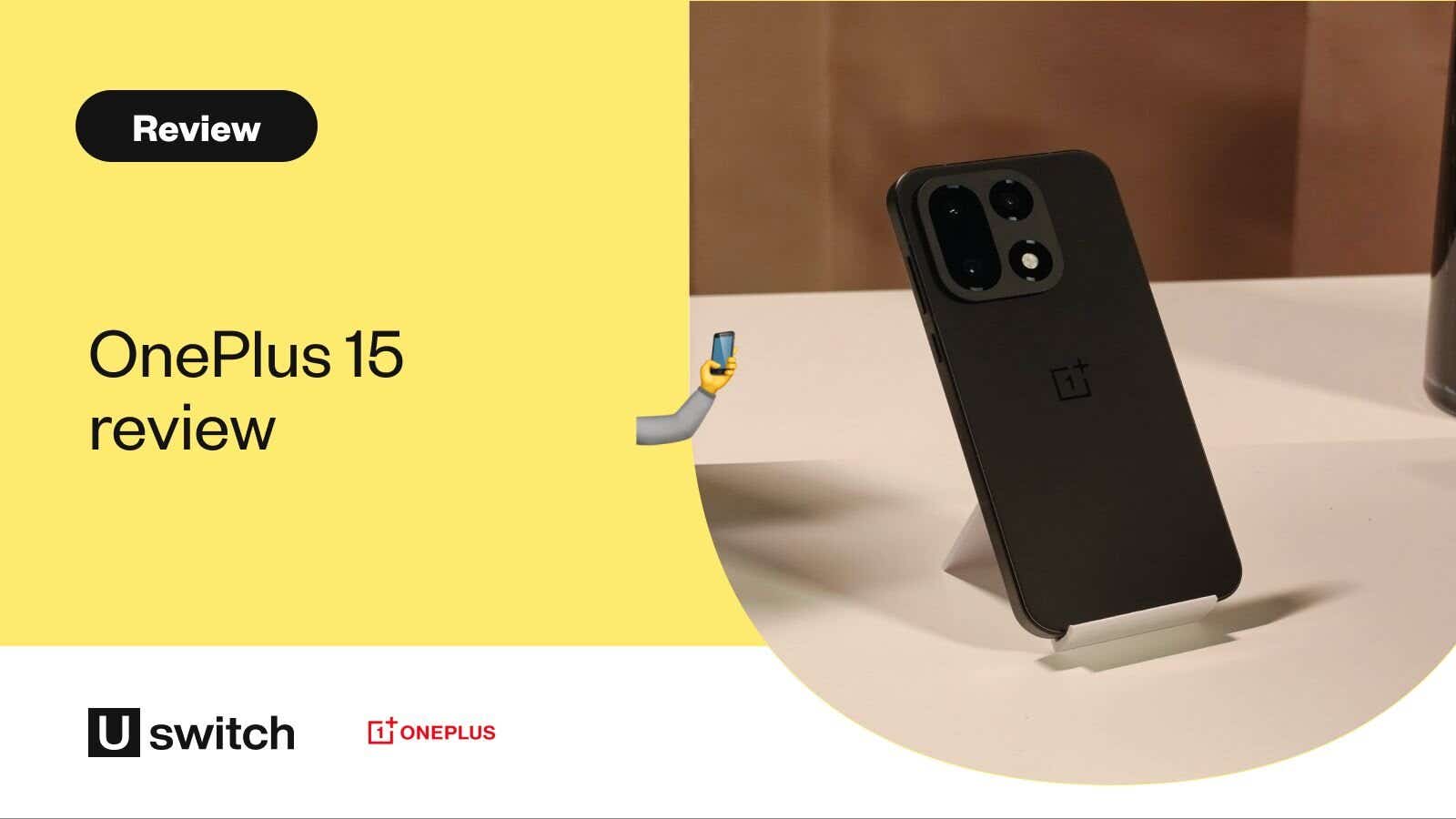
Dear Apple and Samsung: You might want to pay attention to the OnePlus 15

OnePlus 15 pros and cons
Pros
Excellent 165Hz display.
Top-of-the-range chip processor
Insane battery life without sacrificing charging speed
Great value for the specs
Cons
Only four years of Android updates
Heavy usage caused heat concerns
After years of sitting just outside the flagship spotlight, the OnePlus 15 feels like the moment the brand steps directly into it. This isn’t the plucky “flagship killer” of old; it’s a fully fledged premium phone that finally stands shoulder-to-shoulder with Apple and Samsung. With a sleek new design, blistering performance and a camera system that no longer plays second fiddle, the OnePlus 15 doesn’t just compete; it disrupts.
If the big two weren’t paying attention before, they’ll want to start now, because OnePlus has just delivered one of the most compelling flagship alternatives of the year. Read on to find out exactly why.
OnePlus 15 specifications
- Dimensions: 161.42 x 76.67 x 8.1mm
- Weight: 211g
- Display: 6.78-inch LTPO OLED
- Refresh rate: 1-120Hz; 165Hz for select games
- Peak brightness: 1,800 nits
- Chipset: Qualcomm Snapdragon 8 Elite Gen5
- RAM:12GB/16GB LPDDR5X Ultra/Ultra+
- Storage:256GB/512GB/ UFS 4.1
- OS: OxygenOS 16.0 based on Android™ 16
- Main cameras: 50MP main; 50MP ultrawide; 50MP 3.5x telephoto
- Selfie camera: 32MP
- Price: OnePlus 15, 12GB/256GB - £849, 16GB/512GB - £979
- Battery: 7,300mAh
- Charging: 80-100W wired; 50W wireless
- Colours: Infinite Black, Ultra Violet, Sand Storm
Pricing and availability
The OnePlus 15 was launched in the UK and the rest of the world on 13 November 2025 and was available immediately, with no pre-order period. Despite the specs upgrades, the OnePlus 15 is actually priced slightly cheaper than the OnePlus 13: the entry-level option is £50 cheaper:
- OnePlus 15, 12GB RAM/256GB - £849
- OnePlus 15, 16GB RAM/512GB - £979
Design

The OnePlus 15 pulls off a rare trick in modern smartphone design. Plenty of phones match its durability and even its battery size, but most of them are bulky, heavy and far from everyday-friendly. The OnePlus 15, by contrast, feels refreshingly refined. It isn’t shouting for attention; it is simply a well-designed smartphone that looks and feels right.
What makes this even more impressive is the engineering under the hood. The OnePlus 15 houses the largest battery I’ve used in a phone, yet it’s only slightly thicker than the iPhone 17 (a device with nearly half the capacity). Could OnePlus have made it slimmer with a smaller battery? Probably. However, very few people are asking for a thinner phone these days, despite the efforts of the S25 Edge and iPhone Air; they just want something that lasts. And the OnePlus 15 delivers exactly that, making it the phone many hoped the iPhone Air would be.
This year’s design language is more understated than previous OnePlus handsets. And while it is far from the bold curves of the OnePlus 13 and the glossy jade finish of the OnePlus 12, it’s clear why OnePlus dialled things back; those oversized camera bumps weren’t for everyone.
The OnePlus 15 still carries a noticeable camera module, but it’s far more considered. The squared-off bump sits neatly in the corner, with clean, symmetrical lines that give the phone a more mature aesthetic — almost Pixel-like in its precision. Add a case to this phone, and the camera bump blends nicely into the device, and unlike the iPhone 17 Pro Max, it sits flat on any surface, avoiding unnecessary wobbling.
Colour options are toned down too, but each has its own appeal. The Sand Storm has a tougher finish thanks to the way OnePlus applies the coating, while the limited-run lilac model has instant collector energy accompanied by the reliable Infinite Black, which was the colour I reviewed.
Display

The OnePlus 15’s display is one of its standout features. It is bright, bold and packed with tech that puts many flagships on notice.
Up front, you’re getting a 6.76-inch AMOLED panel with the rich colours and deep blacks you’d expect, but it’s the ultra-thin 1.15mm bezels that really set it apart. They give the phone a modern, edge-to-edge feel that makes devices like the Pixel 10 Pro XL look a little dated by comparison.
Resolution is another win. The 1.5K mode delivers crisp icons, sharp text and detailed game visuals, though you’ll need to switch it on manually in Settings. Given the battery size, it would’ve been nice to see this enabled by default — but it’s a quick fix.
Where OnePlus stretches ahead is refresh rate. The 165Hz LTPO display isn’t just fast on paper; it’s paired with a dedicated display chipset that lets you push both high resolution and high frame rates at the same time. That’s something most phones simply can’t pull off. Add a 3200Hz touch response rate — one of the quickest around — and the OnePlus 15 feels incredibly fluid, especially in competitive gaming.
Brightness is another area where OnePlus is refreshingly direct. Instead of quoting an unrealistic HDR peak figure, the company highlights the 1800-nit high-brightness mode that you’ll actually use outdoors. The result? A screen that stays readable even on the brightest days. An anti-reflective coating (like Samsung’s S25 Ultra) would’ve been a bonus, but it’s hardly a deal-breaker.
Round that out with a suite of eye-care features, motion-comfort settings, ultra-low 0.5-nit brightness for night use and plenty of colour controls, and it’s hard to find fault. The OnePlus 15’s display isn’t just good — it’s one of the most complete screens you’ll find on any flagship this year.
Software
The OnePlus 15 ships with Android 16, keeping pace with Google’s own devices — impressive for a non-Pixel phone. OnePlus promises four years of software updates and six years of security patches. That likely means updates through Android 19, but don’t count on Android 20.
OxygenOS 16, OnePlus’ Android skin, remains one of the most flexible options around. You can customise almost everything, from home screens and app drawers to notifications, quick settings and navigation gestures, making it easy to tailor the phone to your own workflow.
A standout addition this year is Mind Space, an AI-powered assistant for screenshots and voice recordings. It can pull information from your captured content, such as reading a flight number from a calendar screenshot and giving you the relevant details. It’s smart, but not perfect. If your entries are incomplete, it can lead to confused answers, though it will flag inconsistencies.
Mind Space currently relies on cloud processing, so it won’t work offline, and there can be slight delays. OnePlus claims that all data is encrypted and inaccessible, even to the company itself, but it’s worth being mindful of sensitive information. Because it’s cloud-based, this feature may not remain free or permanent in the long term.
Overall, the OnePlus 15 combines fast, reliable software with a growing set of AI tools — flexible, powerful, and designed for everyday use.
Cameras

- 50MP main camera
- 50MP ultrawide
- 50MP telephoto (3.5x optical zoom)
- 32MP selfie camera with autofocus
Despite the spec changes, the OnePlus 15 surprised me. In good lighting, it delivers crisp detail, natural colour and most importantly, consistency across all three rear lenses. During my testing with the device on a tour around Prague on a gloomy October day, it captured the vivid autumn colours brilliantly and handled snapping images in the rain like a pro.
The new 3.5x telephoto lens is also a nice touch. That extra reach over last year’s 3x gives noticeably cleaner results at mid-range zoom levels, especially around 7x. It still can’t match the 5x lens on the Pixel 10 Pro, but it’s a respectable performer with reliable sharpness.


Low light is where the compromises show. Smaller sensors and tighter apertures mean the OnePlus 15 leans on higher ISOs and longer exposures, which can add grain or blur in dim scenes. It’s not disastrous, but it’s a step down from the low-light prowess of the OnePlus 13, as you can see from the image taken at night.

Overall, the OnePlus 15’s camera system is good — even very good in the right conditions — but it’s more of a side-grade than a generational leap. If you’re coming from a OnePlus 12 or 13, the cameras alone aren’t a compelling reason to upgrade. For new buyers, though, it’s a dependable and versatile setup that holds its own in the flagship space.
Performance
The OnePlus 15 is one of the first big-name phones to ship with Qualcomm’s new Snapdragon 8 Elite Gen 5 chipset in the UK and it shows. Paired with either 12GB RAM / 256GB storage or 16GB / 512GB on the higher tier (the model I tested), it absolutely flies.
The OnePlus 15 pulls ahead of every Android rival I’ve reviewed. It even edges Samsung’s customised “for Galaxy” version of last year’s Snapdragon Elite. In short, this is currently the fastest Android phone you can buy.
A big part of that is the unusually fast RAM and OnePlus’ oversized vapour-chamber cooling, which uses aerogel to stop heat reaching the screen. It works brilliantly and fast-paced games like Call of Duty for mobile run effortlessly at 165Hz with maxed-out settings.
In everyday use, the experience is just as impressive. Apps open instantly, animations are smooth, and there’s enough overhead for aggressive multitasking. There really isn’t anything in the Play Store that can trouble it.
Battery life

Power isn’t the only headline here. OnePlus has fitted the OnePlus 15 with a massive 7,300mAh silicon-carbon battery, building on last year’s already-impressive 6,000mAh cell. That’s nearly 50% larger than what you’ll find in Samsung’s Galaxy S25 Ultra or Google’s Pixel 10 Pro.
And the results are excellent. For most people, this is a two-day phone. Even on heavy use days, such as gaming, 4K recording or HDR streaming, I comfortably made it from morning to night without dipping under 30%. Only the Oppo Find X9 Pro lasts longer, thanks to its slightly larger 7,500mAh cell.
Silicon-carbon is still fairly new, but OnePlus says the battery should retain 80% health after four years, which is reassuring. Charging speeds are also top-tier:
- 120W wired (full charge in under 40 minutes)
- 50W wireless
You’ll need a compatible OnePlus charger to hit the full 120W; standard USB-PD tops out at 36W, but the speed is undeniably useful.
The verdict

The OnePlus 15 is one of those rare phones that gets almost everything right. It’s exceptionally fast, lasts longer than nearly any other flagship, has a dependable triple-camera setup and delivers a refined, premium design that finally feels grown-up. For most people (especially anyone not deeply tied to Samsung’s or Google’s ecosystems), there’s very little to complain about.
That’s not to say it’s flawless. If you’re serious about photography, Oppo and a few ultra-premium rivals still edge ahead in low light and long-range zoom. And while the 165Hz refresh rate is brilliant for gaming, everyday users may not feel the benefit enough to justify the impact on battery or resolution.
But judged as a complete package, the OnePlus 15 is one of the strongest all-rounders on the market this year. It delivers top-tier performance, huge battery life, a gorgeous display and a mature software experience. And most impressively, all at a price that undercuts the biggest names.
If Apple and Samsung weren’t paying attention before, they should be now. The OnePlus 15 proves there’s a serious challenger at the table, and it’s no longer the underdog.
