The Pro Max used to be the no-brainer upgrade. The iPhone 17 just changed that

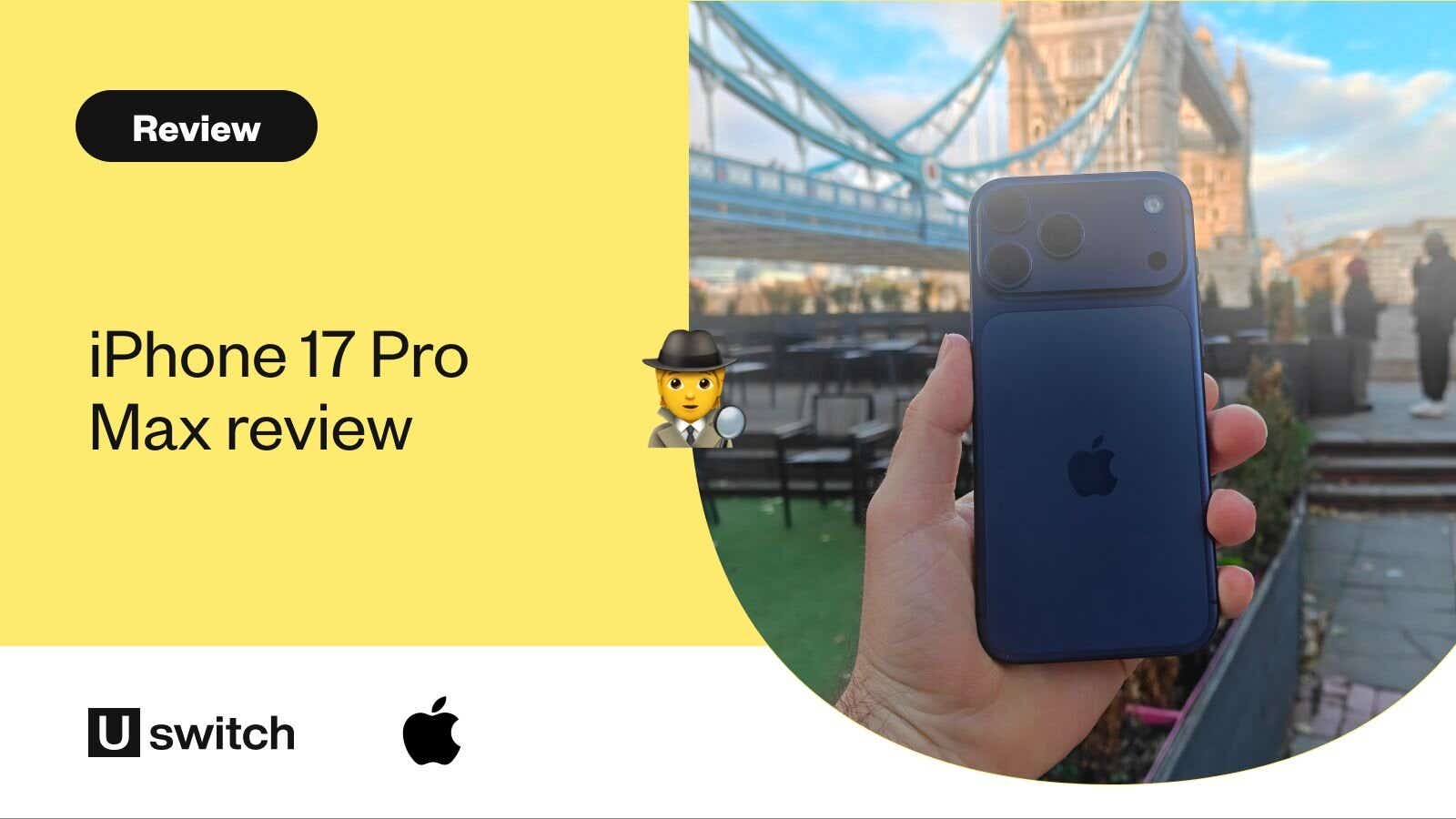
iPhone 17 Pro Max pros and cons
Pros
Excellent battery life
Center Stage camera is a game-changer
Improved telephoto lens
Cons
The gap with the entry 17 has significantly reduced
Expensive
The iPhone 17 Pro Max remains a powerhouse on paper, boasting all the signature “Pro” flourishes that Apple excels at delivering. But this year, the story isn’t about what the Pro Max adds; it’s about how much the regular iPhone 17 has caught up.
When the cheaper model adopts the same design language, the same fast display refresh rate, and a camera system capable of punching far above its weight, the Pro Max starts to feel like a phone searching for a meaningful gap to justify its price. Apple hasn’t done anything wrong — it’s simply a victim of its own progress.
With the gap between “Pro” and “non-Pro” shrinking fast, the Pro Max has more to prove than ever. Here’s how it stacks up in real-world use.
iPhone 17 Pro Max deals
Enjoying this review and want to try the iPhone 17 Pro Max for yourself? You can compare our best iPhone 17 Pro Max deals now.
iPhone 17 Pro Max specifications:
- Display: 6.9-inch Super XDR display
- Refresh rate: 120Hz
- Brightness: Max 3000 nits
- Design: New, lightweight ‘aluminium unibody’, Ceramic Shield 2 coating on both sides
- Camera: A 48MP triple-lens Fusion setup, with 8x optical and 40x digital zoom. 18MP ‘Center Stage’ selfie camera
- Chip: A19 Pro chip
- RAM: 12GB RAM
- Storage: 256GB, 512GB, 1TB and 2TB
- Other features: Action button and a new Camera Control button, option for eSIM only
- Battery: Larger than the standard iPhone 17 and 17 Pro, designed to support the Pro Max’s massive screen and power-hungry features
- Price: £1,199 (256GB), £1,399 (512GB), £1,599 (1TB), £1,999 (2TB)
- Colour options: Cosmic Orange, Deep Blue, Silver
Design: Familiar Pro style with a bold new twist

Although Apple hasn’t completely reinvented the iPhone 17 Pro Max, it has given it a noticeable design refresh. While the iPhone Air is brand new and the standard iPhone 17 sticks closely to last year’s look, the Pro range gets a little more adventurous, especially on the back.
The biggest talking point is the new rear panel and colour selection. Cosmic Orange will understandably split opinion, and while it feels fitting for autumn, it won’t be everyone’s taste (including mine). If, like me, you prefer something more understated, Deep Blue which I opted for, and Silver are also available. There’s no classic black option this year, which may disappoint some, but Deep Blue came closest for me.
I found the Deep Blue finish elegant, and it catches the light beautifully during the day, giving the phone a sleek, professional feel. After a month of use, the colour has held up perfectly, with no fading or wear at all, which can’t be said for Cosmic Orange, where some users have reported issues, as can be seen in this reddit thread.
As you’d expect, the iPhone 17 Pro Max is a sizeable device. It’s slightly taller and heavier than the 16 Pro Max, measuring 6.43 x 3.07 x 0.34 inches and weighing 8.22 ounces (233 grams). Compared with its Android rivals, the Pro Max sits right alongside big-screen flagships like the Google Pixel 10 Pro XL and Samsung Galaxy S25 Ultra in both footprint and weight.
One of the biggest design changes is the frame. Apple has swapped last year’s titanium for a unibody aluminium build, which gives the phone a smoother, more seamless feel. The camera module now stretches across the full width of the back (Apple even refers to it as a “plateau”), and it sits noticeably proud of the chassis. It’s a busier look than previous Pro models, but putting it in a case quickly tones things down.
It was frustrating to use out of a case, so I would recommend purchasing one, not just to protect the device, but also because the camera bump is so prominent; the phone would never sit quite right on a table or desk.
Elsewhere, durability has had a welcome upgrade. The 17 Pro Max features Apple’s latest Ceramic Shield 2 on the front, which is claimed to be three times more scratch-resistant than before. The back also benefits from reinforced glass and the same Ceramic Shield protection. With an IP68 rating for dust and water resistance, it feels like a phone built to be used without worrying too much. After solid use and testing, I found the 17 Pro Max to be one of the most robust iPhones Apple has released in years.
The button layout will feel instantly familiar. The Action Button and volume keys are located on the left, while the large power button is positioned on the right. The new Camera Control is slightly more refined than last year’s version, though it can be a touch harder to locate quickly. On the bottom edge, you’ll find the USB-C port, colour-matched screws, and the speaker grille. UK models still include a physical SIM tray.
Display: Bright, clear, and colour-accurate

The iPhone 17 Pro Max uses Apple’s Super Retina XDR display, which essentially means it’s an OLED screen with a sharp 1,206 x 2,622 resolution, an adaptive refresh rate from 1Hz to 120Hz, and tough Ceramic Shield 2 glass on the front.
Historically, the 120Hz refresh rate has been a significant draw for the Pro models; however, mounting pressure on Apple to catch up with competitors has led to this feature being rolled out across the full 17-inch lineup for the first time in its flagship series.
The result? All of Apple’s displays now deliver consistently excellent quality, to the point where the “Pro” label feels less relevant — it’s simply an Apple display. I’m curious to see whether Apple will push the refresh rate even further with the iPhone 18 Pro Max next year, potentially matching the 165Hz offered by phones like the OnePlus 15. For now, though, the iPhone 17 Pro Max’s screen sets a high standard, and you won’t have any complaints.
It also comes with all the features you’d expect from a Pro iPhone: True Tone to match the lighting around you, a P3 wide colour gamut, an always-on full-screen display, and the Dynamic Island system for notifications and multitasking.
In practice, the screen is just as impressive as the specs suggest. Peak brightness reaches approximately 3,000 nits in bright HDR content, making it ideal for use on sunny days or in outdoor environments. The display also dims down to just 1000 nits at night, so it was never harsh on my eyes when I was checking notifications in the dark.
In short, whether you’re scrolling, watching films, or playing games, the iPhone 17 Pro Max’s screen is bright, sharp, and reliable, ready for anything you throw at it.
Cameras: High-resolution, but not perfect

The Pro Max’s camera system is the real reason most people will choose this phone. Whether you're snapping stylised street shots, capturing family/friends' moments, or working with the responsibility of getting holiday videos, the iPhone 17 Pro Max gives you the flexibility to get the shot you want.
With smarter low-light processing and impressive video tools, including ProRes, Dolby Vision and multi-camera capture, it’s designed to handle everything from everyday photography to genuinely creative projects. It’s a pocket-sized production kit.
The headline upgrade for the iPhone 17 Pro Max is the telephoto camera, which jumps from 12MP to 48MP this year. This brings all three rear cameras up to the same resolution, providing more detailed images across the board, whether in low-light situations, when zoomed in, or for selfies.


Interestingly, Apple has reduced the telephoto’s optical zoom from 5x to 4x. In practice, the higher resolution more than makes up for the slightly shorter reach. Just be aware that Apple’s 8x “optical-quality zoom” is really a cropped 48MP image down to 12MP, not true optical zoom — something to keep in mind if you shoot a lot of distant subjects.
Close-range shots, typically around 85cm or less, can also trip up the telephoto lens. In these cases, the iPhone automatically switches to the main camera with digital zoom, sometimes without you noticing.

Overall, the 17 Pro Max is solid for still photography, but if you’re after extreme zoom or more versatile camera hardware, rivals like the Samsung Galaxy S25 Ultra and Google Pixel 10 Pro still offer more bang for your buck. Samsung, for example, packs a 5x optical telephoto lens and a 200MP main sensor, while the Pixel 10 Pro can hit 100x digital zoom.
On the front, the new 18MP selfie camera shared across the full 17 lineup is smarter than ever. Its square sensor lets you shoot portrait or landscape without changing your grip, and Centre Stage automatically detects faces and keeps everyone in frame. Video enthusiasts can now also record using both front and rear cameras at the same time, creating picture-in-picture clips that are perfect for vlogs or calls. Image quality isn’t quite on par with the rear cameras, but it’s a noticeable improvement.
Performance: Sit back and enjoy the A19 Pro Chip
Unlike in other areas where the Pro Max didn’t outshine the iPhone 17, performance is where it truly shines. The most expensive iPhone is, of course, the fastest, and any task I put it up against it passed with flying colours.
Both the Pro and Pro Max run Apple’s new A19 Pro chip, which includes six CPU cores, six GPU cores, and 16 Neural Engine cores. Apple claims that the Neural Accelerators enhance AI tasks by approximately 30%. The A19 Pro powers advanced camera and audio features unavailable on the iPhone 17 and iPhone Air, which have five GPU cores instead.
The Pro Max comes with 12GB of RAM across all storage variants, from 256GB up to a staggering 2TB, compared to the base iPhone 17, which has 8GB.
A first for iPhone this year is a tiny vapour chamber inside the Pro models. Previously an Android staple, it helps spread heat away from the processor, allowing sustained performance under heavy workloads. This meant the device ran a lot cooler than the 17 did when I was putting it through heavy usage.
This proved particularly useful when I was gaming, photo editing, or making lengthy FaceTime calls. I tested the mobile game ‘F1 Clash’ for well over an hour, and the Pro Max handled it flawlessly. AI-powered tools like background removal in photos also feel snappier than on the standard iPhone 17 or Air.
Battery: Charge less, do more
Where the Pro Max really stands out for me is battery life. Apple claims up to 39 hours of local video playback and 35 hours of streaming — improvements on last year’s model. I didn’t test this fully, but I certainly believe Apple on this one. I sometimes went a few days without having to think about a charge, especially on low-usage days.
Over the years, I have come to expect poor battery life from Apple, usually tied to the fact that it doesn’t release battery specs. This time, I had no battery anxiety at all, and even watching long videos on 5G did not prove to be too much of a drain (about 5% every 40 minutes). This is an area that makes the Pro Max worth paying the extra money for.
Charging has improved too. With Apple’s 40W adapter, you can reach 50% in 20 minutes. A 30W adapter takes 30 minutes, and MagSafe wireless charging hits 25W. Full recharges take around 55 minutes wired and 75 minutes via MagSafe. While some Android phones recharge faster, the Pro Max’s battery longevity more than makes up for it — 18–20 hours extra use is worth a little patience.
Software: A fresh coat of iOS

The iPhone 17 Pro Max launches with iOS 26, which brings the biggest visual refresh we’ve seen since the jump to iOS 7. Apple’s new “Liquid Glass” design language gives icons and menus a softer, more fluid look, and the updated lock screen can now automatically shift widgets around your wallpaper, a subtle touch but one that makes the phone feel more personal and polished.
As usual, long-term support is strong. You’re looking at a minimum of five years of updates, although Apple often exceeds that. It’s worth noting that Google and Samsung now promise seven years for their flagship phones, so Apple does not lead the pack here.
On the intelligence side, only a handful of new Apple Intelligence features are available at launch, but the standout is Live Translation. It lets you have real-time conversations across a selection of supported languages, rolling out first in English-speaking regions. More languages are on the way, including Japanese, Korean and Mandarin.
You’ll also find improved Visual Intelligence tools, which can identify objects from a photo and surface relevant results instantly. The Photos app gets smarter too, with cleaner automatic object removal for things like power lines or people in the background. Overall, iOS 26 feels familiar but more refined, with just enough new smarts to make everyday tasks a little smoother.
The verdict: A great Pro Max, but most people don’t need it

The iPhone 17 Pro Max is an exceptional device, but this year it’s no longer the obvious choice for most people. Apple has packed so much into the standard iPhone 17, from its excellent display to top-tier performance and strong battery life, that it now covers the needs of the vast majority of users. For everyday tasks like scrolling, streaming, messaging, and photography, the 17 is the smarter (and better-value) choice.
The Pro Max still earns its place, but for a far more specific crowd. It’s built for heavy users, creators and anyone who genuinely needs Apple’s best camera system, longest battery life and advanced video tools. If you rely on your phone for content creation or all-day work, this is the model that won’t hold you back.
For everyone else? Save your money. The iPhone 17 offers almost everything people love about the Pro line, without the Pro price tag, making it the real standout in Apple’s 2025 lineup.
iPhone deals
Is the iPhone 17 Pro Max not for you? You can compare other models on our iPhone deals page.
