Time to ditch the Pro? Apple finally give its base model the love it deserves

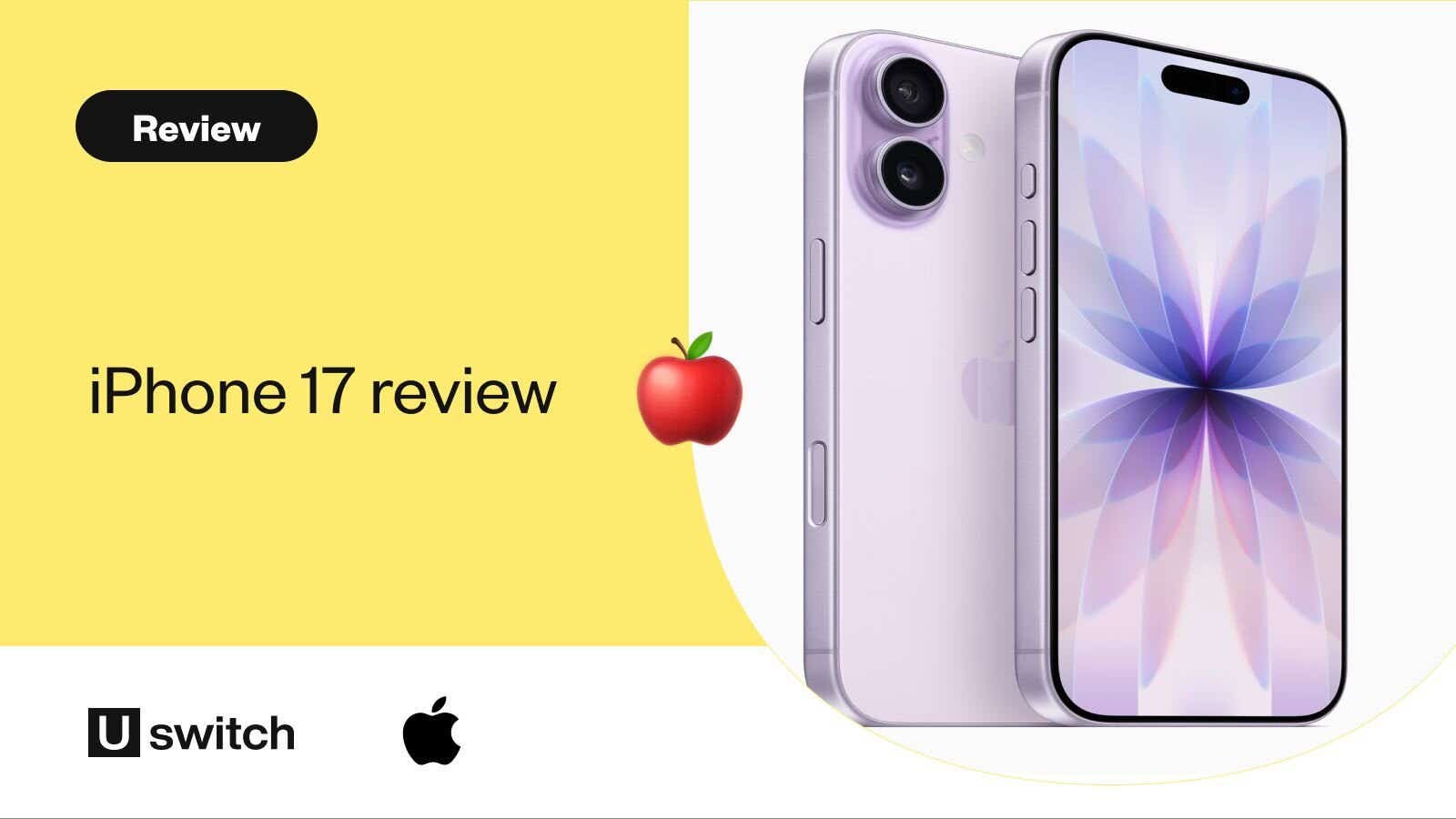
iPhone 17 pros and cons
Pros
120Hz refresh rate is a game-changer
Bigger 6.3-inch screen
Option of the Always-on display
Center Stage selfie camera
Cons
No dedicated telephoto lens
Not that thin or light
Similar design to the iPhone 16
iPhone 17 specifications
- Design: 6.3-inch display with thinner borders around the screen
- Cameras: Dual Fusion camera system, with a 48MP Main camera and a 48MP Ultra Wide camera
- Price: 256GB - £799, 512GB - £999
- AI features: Updated Visual Intelligence and Live Translation
- Battery: All-day battery, with the capability to charge 50% within 20 minutes
- Processor: A19
- Software: iOS 26
- Colours: Black, White, Lavender, Sage, Mist Blue
- Brightness: 3000 nits
- Capacity: 256GB, 512GB
- Other models: iPhone 17 Pro, iPhone 17 Pro Max, iPhone Air
It’s been a few months since the launch of the iPhone 17, which means I’ve had the opportunity to take my time getting to know the base model in the lineup, and I must say I’m impressed.
Features that Apple has failed to address in recent editions have finally been refreshed, and the entry-level model finally feels worth the hefty price tag (£799 for 256GB and £999 for 512GB). Dare I say it, but this could be the first year I'm tempted to forgo the Pro and commit to the base model of an iPhone series. Read on to find out.
iPhone 17 deals
If you are impressed with the iPhone 17, see our best deals from a range of well-known providers.
Design

For me, taking a new iPhone out of the box is always the best part of the purchasing journey, and the 17 didn’t disappoint. I chose the Black colour, and I immediately noticed the sleek and nice finish that looked great in my hand.
The iPhone 17 might not have the super-slim profile of the Air or the chunky camera housing found on the Pro models, but it strikes a great balance between size, weight and everyday use. Of Apple’s latest releases, it’s the most familiar, closely resembling last year’s iPhone 16 in design and feel.
The iPhone 17 maintains Apple’s signature clean look, featuring a smooth blend of Ceramic Shield 2 glass on the front and back, surrounded by aluminium edges that feel solid yet comfortable in the hand. It’s a phone that instantly feels at home for anyone who’s used a base iPhone model in recent years.
Measuring 5.89 x 2.81 x 0.31 inches and weighing 6.24 ounces, the iPhone 17 is slightly larger and heavier than the iPhone 16 – a difference you’ll only really notice if you hold them side by side. The slightly bigger 6.3-inch screen helps justify the extra size, while keeping the phone the most compact option in the iPhone 17 family. For context, the £799 Google Pixel 10 is a touch larger and heavier, while Samsung’s £799 Galaxy S25 is a little smaller and lighter, putting all three compact flagships in roughly the same range.
The matte finish on the rear glass gives the iPhone 17 a welcome premium feel, and the simplified camera design adds to its appeal. The aluminium frame has a refined texture that catches the light subtly. As before, the phone is rated IP68 for water and dust resistance – the same level of protection offered by the Pixel 10 and Galaxy S25 – although I would still recommend most users will still want to add a case for peace of mind.
Button and port placement remain unchanged. On the left edge, you’ll find the Action button, volume controls and the programmable Camera Control. The power button sits higher on the right edge, while the USB-C port and speaker grille are neatly positioned along the bottom.
One slight disappointment is that Apple hasn’t upgraded the USB-C port on the standard model. The iPhone 17’s connector still uses USB 2.0 speeds (up to 480 Mbps), while the Pro versions benefit from much faster USB 3.0 transfer rates of up to 10 Gbps, which is roughly 20 times faster.
Display

This is where Apple has made some long-overdue changes to its base device. The iPhone 17 keeps the familiar Super Retina XDR display, a high-quality OLED panel that continues to deliver vibrant colours, deep blacks and crisp contrast. Typical brightness (1,000 nits) and HDR brightness (1,600 nits) remain unchanged, but the phone now achieves a peak of 3,000 nits outdoors. I found this to be a noticeable improvement, making the screen much easier to read in bright sunlight, if you’re ever lucky enough to get some in the UK.
For comparison, older models like the iPhone 14 peaked at 1,200 nits, which often struggled in daylight. This higher brightness level positions the iPhone 17 firmly among the brightest smartphones currently available for purchase.
Another big update is the addition of ProMotion technology to the base model for the first time. This allows for an adaptive 120Hz refresh rate, meaning the display can automatically adjust between smooth, ultra-responsive motion and slower refresh speeds to save battery. I have been crying out for this for years, as most other similarly priced smartphones have had this feature available for a while, so I don’t want to give Apple too much credit for only including this in its 2025 edition.
However, the refresh rate is a significant reason I would consider the 17 over the Pro, which previously had a 120Hz refresh rate exclusively. You will notice the difference immediately and solidify the feeling that this is a quality device.
ProMotion also enables one of this year’s standout new features – the Always-On display. This means you can check the time, date or notifications at a glance without waking the phone. I personally found this a distraction as it made it seem like you were constantly being messaged. If, like me, you prefer a more discreet screen, the feature can easily be turned off in Settings, but there is still no denying this is a cool feature to have on an Apple entry model.
The Dynamic Island also returns, having first appeared on last year’s base model. This small, interactive cut-out around the front camera provides instant access to features such as timers, music controls, and incoming calls. It’s a genuinely useful design tweak that makes multitasking feel more seamless.
Software and performance
The iPhone 17 delivers the kind of smooth, effortless performance you’d expect from an Apple flagship. Under the hood, it runs on the new A19 chip, paired with 8GB of RAM and Apple’s latest iOS 26 software.
The A19 is a six-core CPU with a five-core GPU and a 16-core Neural Engine. Apple says it’s up to 40% faster than the A18 used in last year’s model, with improved power efficiency and better AI processing thanks to upgraded Neural Accelerators. In day-to-day use, that did translate into a phone that felt very fast and responsive, whether I was browsing, switching between apps or streaming.
Gaming performance is equally impressive. The iPhone 17 handles demanding titles like Assassin’s Creed: Mirage and Clash of Clans with ease, offering console-quality visuals at a fast pace. It should be noted that I did find the device getting warm during extended gaming sessions, so longer use did get a little uncomfortable. This was likely down to the standard iPhone 17 not including a vapour chamber cooling system, unlike the more expensive Pro model.
Storage has also been improved, with 256GB now included as standard – double last year’s base capacity. In the UK, Apple has kept the same starting price, effectively offering better value for the higher-storage model.
On the software side, the iPhone 17 ships with iOS 26, bringing Apple’s new Liquid Glass Design and the introduction of Apple Intelligence, its latest wave of AI-powered features. The refreshed interface feels modern and fluid, though early builds have shown a few minor quirks, like Face ID sometimes feeling a bit laggy or apps taking slightly longer to load. I expect these to be ironed out with future updates.
As usual, Apple’s haptic feedback remains best-in-class, and the stereo speakers deliver clear, balanced audio that pairs nicely with the bright display. Connectivity is strong; I had reliable 5G connections throughout my time with the phone, and unlike the 16, it stayed connected to Wi-Fi when in range.
Camera

The iPhone 17 features a dual 48MP camera system on the back – one main lens and one ultrawide – alongside Apple’s new 18MP Centre Stage selfie camera, which it shares with the iPhone 17 Pro and Air.
The main camera remains unchanged from the iPhone 16, but that’s not a bad thing. It still delivers consistently sharp, vibrant shots in most lighting conditions, with accurate colours and reliable dynamic range. It can occasionally struggle with very bright highlights or show a touch of grain in darker scenes, but overall, it’s an excellent point-and-shoot camera that captures detail well without much effort.
Apple’s 2x digital crop zoom performs impressively in good light, maintaining clarity for quick close-ups. Results are a little softer indoors or in lower light, but still perfectly usable for casual photography. The ultrawide lens has seen a noticeable improvement this year, producing wider, more detailed shots with better edge definition – and it now performs particularly well for macro close-ups.


On the front, the upgraded 18MP selfie camera captures great images with improved low-light performance. Its standout feature is Centre Stage, which automatically pans and zooms to keep everyone in frame during group selfies or video calls. It’s a clever touch that allows casual photographers like me to take decent group images and selfies in general.
Video performance is as polished as ever, with smooth stabilisation and vibrant colour reproduction. A fun addition this year is dual capture mode, which records from both the front and rear cameras simultaneously – great for reaction videos or vlogs where you want to appear in the shot while filming.
Overall, the iPhone 17’s camera setup is dependable, versatile and ideal for everyday photography, offering a strong balance of quality and simplicity without venturing into Pro territory. Unless you are used to the standards of a Samsung Ultra phone, you won’t be disappointed.
Battery and charging
Battery life has been a talking point across the new iPhone 17 range – largely thanks to the ultra-thin iPhone Air's controversial battery performance – but the standard iPhone 17 delivered solid, reliable endurance throughout the day.
Powered by a 3,692mAh battery and the more efficient A19 chipset, it performs much like last year’s iPhone 16 when it comes to day-to-day stamina. You can comfortably get through a full day of moderate use, including browsing, streaming and messaging, without worrying about topping up.
Although in day-to-day use the iPhone 17 battery performed well, on days when I wanted to watch longer videos on 5G or have a hefty FaceTime call, the phone started to stutter. The predictable heating on the back came through, accompanied by the quick drain in battery, which put me off doing it very often, especially if I needed it to last the day. The battery is certainly not class-leading, but it’s dependable and consistent, especially given the brighter display and new Always-On feature.
While rivals like the Galaxy S25 and Pixel 10 still edge ahead in longevity, Apple has made a decent leap in charging speeds. The iPhone 17 now supports up to 40W wired charging, double that of the iPhone 16. With a compatible charger, you can expect to reach 50% in around 30 minutes, and a full charge in just over an hour – a big improvement for iPhone users who’ve been waiting for faster top-ups.
Wireless charging is supported for both MagSafe and the new Qi2 standard, offering speeds of up to 25W. It’s not quite as fast as wired charging, but it’s convenient for overnight use or quick top-ups on a charging pad.
Overall, the iPhone 17’s battery life is dependable rather than groundbreaking, but the faster charging speeds make a real difference in everyday use – helping it keep pace with its Android rivals for the first time.
Verdict: A meaningful upgrade worth your attention

The iPhone 17 is the first base iPhone in a while that feels like a proper upgrade — not just a rinse and repeat. Apple’s finally made some meaningful changes here, and you can really feel them day to day.
The screen is a big part of that. It’s brighter, smoother, and simply nicer to look at thanks to the new 120Hz refresh rate and 3,000-nit peak brightness. Add in the Always-On display (which you can thankfully turn off if you’re as easily distracted as I am), and it finally feels like the standard iPhone has caught up with what Android phones have been offering for years.
Performance is solid, too. The new A19 chip keeps everything running fast and cool, whether you’re gaming, editing videos, or just scrolling through social media. Battery life hasn’t taken a hit either, and with faster 40W charging, it’s far easier to top up before you head out.
Camera improvements are more subtle, but you still get crisp, reliable shots in most lighting conditions, and the new selfie camera’s auto-framing feature is a genuinely nice touch.
Overall, this is the first time in a few years that I can confidently say: if you’ve been holding out for a base iPhone that actually feels new, the iPhone 17 is the one to buy. It’s not just another small step forward; it’s the most well-rounded “regular” iPhone Apple’s made in a long time.
