Why the Samsung Galaxy Ultra's S Pen may be on its last leg

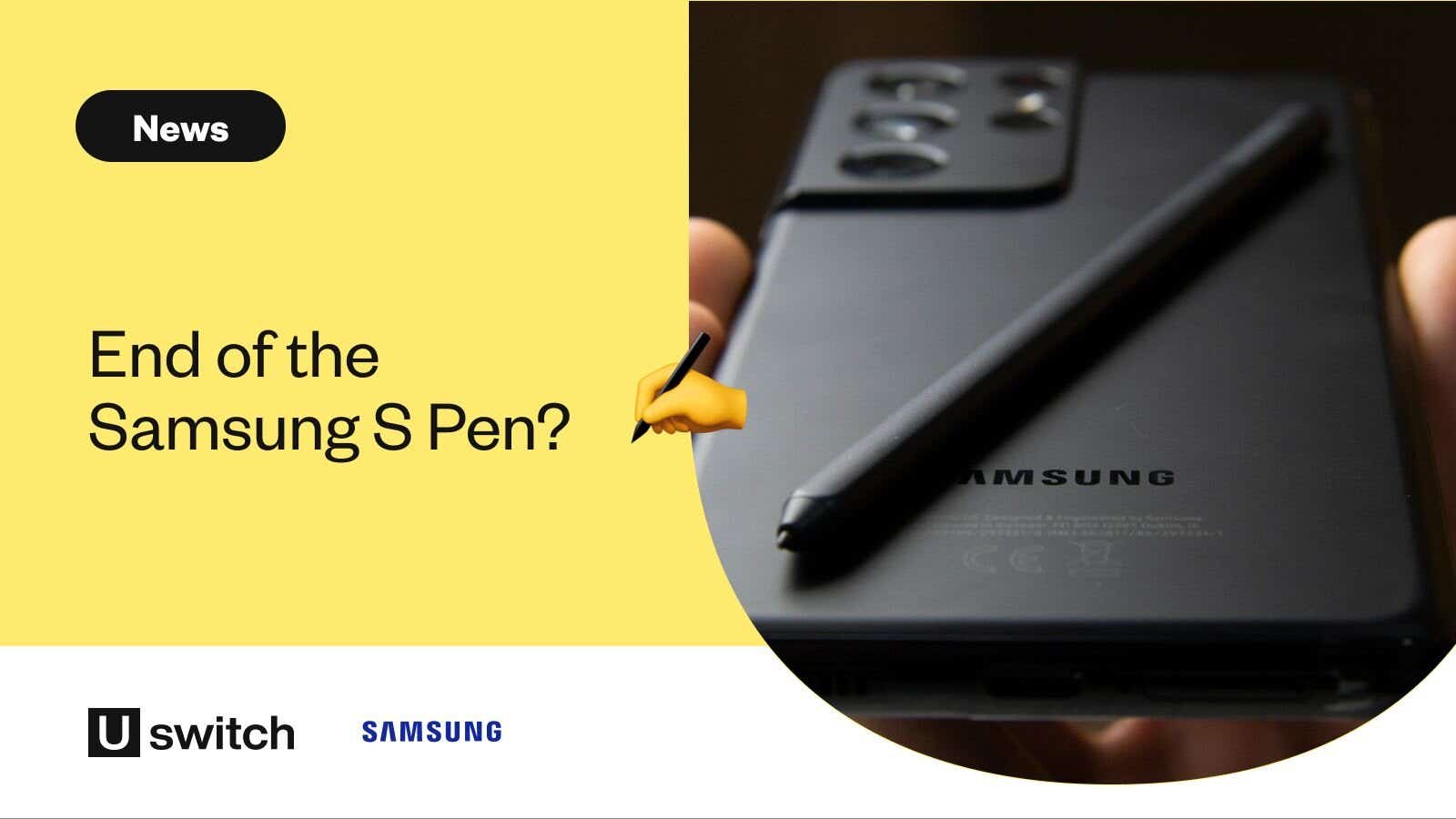
The S Pen is one of the defining features of the Samsung Galaxy Ultra series. Having once been a staple of the much more appropriately named Galaxy Note, the S Pen has remained a fixture in Samsung's most premium handset since the Note series was retired in 2020.
There's no surprise this is the case. Since this pivot, Samsung has positioned the Ultra as the ultimate best-in-class smartphone, attempting to max out as many handset specs as possible each year.
But have we reached a turning point? How useful is the S Pen really for the majority of users, and with all the space it takes up, what features is it preventing Samsung from improving on its flagship device?
Here's what we think.
The S Pen is holding the Ultra back
There are a number of technical improvements Samsung could make to its top-end handset that the S Pen currently complicates.
Wireless charging and accessories
Other Android smartphones are starting to adopt a new magnet system on the back of the phone, similar to Apple's MagSafe. It's called the Qi2 Magnetic Power Profile (MPP) and is an easier-to-use design where any accessory easily 'snaps' into place on the back of the handset.
It's also a universal technology - it works with accessories built for MagSafe and vice versa. So it opens users up to a wider choice of accessories and wireless chargers.
Currently, the S Pen blocks Samsung from including this on the Ultra because such strong magnets would cause 'dead zones' on the screen where the S Pen sits inside. So for now, it has to rely on an older 'search around for the right spot' form factor. It still works well enough, but it's not up to the top standards that the Ultra claims for other features.
Samsung is rumoured to be boosting the wireless charging speed on its older charging standard to make up for this lack of functionality. The wireless chargers using the new MPP connection max out at 15W, whereas Samsung's version is potentially being increased to 25W.
So if you don't mind a less universally convenient form factor, you could actually enjoy faster wireless charging for now.
Loss of Bluetooth functionality
After noticing a decline in people using the remote features of the S Pen, and to increase the amount of internal space for better computing, Samsung removed the Bluetooth capabilities from the S25 Ultra last year.
This means that those looking to use the S Pen for things like taking wide-angle pictures from far away or controlling media playback won't benefit from this if they upgrade to a new Galaxy Ultra phone.
It further outlines the slow but steady loss of use cases that the S Pen has to Samsung Ultra users.
Design and computing limitations
It's already been well-established that the mere presence of the S Pen is a trade-off for the Ultra's computing power. So when smartphone experts like Dr Tech highlight changes to the S26 Ultra designs that push the S Pen even further to the edge of the phone, it's all with the aim of 'fitting' more computing power in.
Samsung apparently tried to add the S Pen to the Z Fold 5 and 6, but ultimately couldn't make it work. So it's looking more and more like the S Pen doesn't integrate well with Samsung's future plans.
Compare Samsung Galaxy deals
Don't want to wait for the Samsung Galaxy S26? See our complete range of our best Samsung Galaxy deals
How many people really use the S Pen?
With the loss of Bluetooth functionality limiting the S Pen's use cases, and 9 to 5 Google commenting that "over the past seven months, Samsung has pretty clearly deprioritized the S Pen in its lineup", it's clear Samsung is sensing lower demand for its famed accessory.
As one of the most premium handsets on the market, the Galaxy Ultra has dozens of features that make it a desirable phone for power users – the S Pen to many is just a nice-to-have.
There is a strong cohort of daily S Pen users who still enjoy the variety in which they can use their phone, but this cohort is nicher than it's ever been. So how long will Samsung continue to include a feature that so many users and media publications label a 'legacy' item?
So is this the end of the S Pen?
Certainly not. Removing the S Pen from the Ultra wouldn't mean cancelling it completely.
However, doing so would mean that if you wanted to upgrade to another Samsung Galaxy Ultra in the future, the S Pen would need to be stored separately and would likely be available at an additional cost.
That wouldn't be good news for S Pen users, but it might – and this is a big might – create an excuse to get Samsung to reduce the price of the Ultra handset. We won't hold our breath on that one, but we can all hope.
The S Pen is what makes the Samsung Galaxy Ultra a completely unique phone. With so many brands fighting to one-up each other in a race to the top, it's one of the last smartphone features to offer a real, tangible source of joy for users. It's like the headphone jack of the 2020s.
However, at some point, Samsung will have to consider the trade-off between losing this feature (and maybe some die-hard fans) and truly maximising the Ultra's technical capabilities. It won't be able to claim its 'maxed-out' status with a physical device such as this still occupying vital computing space inside the phone. Especially in the newly advanced world of AI.
So while we wait with bated breath for the new S26 lineup to be released at the end of February, just remember that this might be one of the last times a smartphone will come with a toy.
Mobile phone deals
Check out the latest deals across UK networks for both the latest handsets and previous models.
