Electric vehicles and accessibility

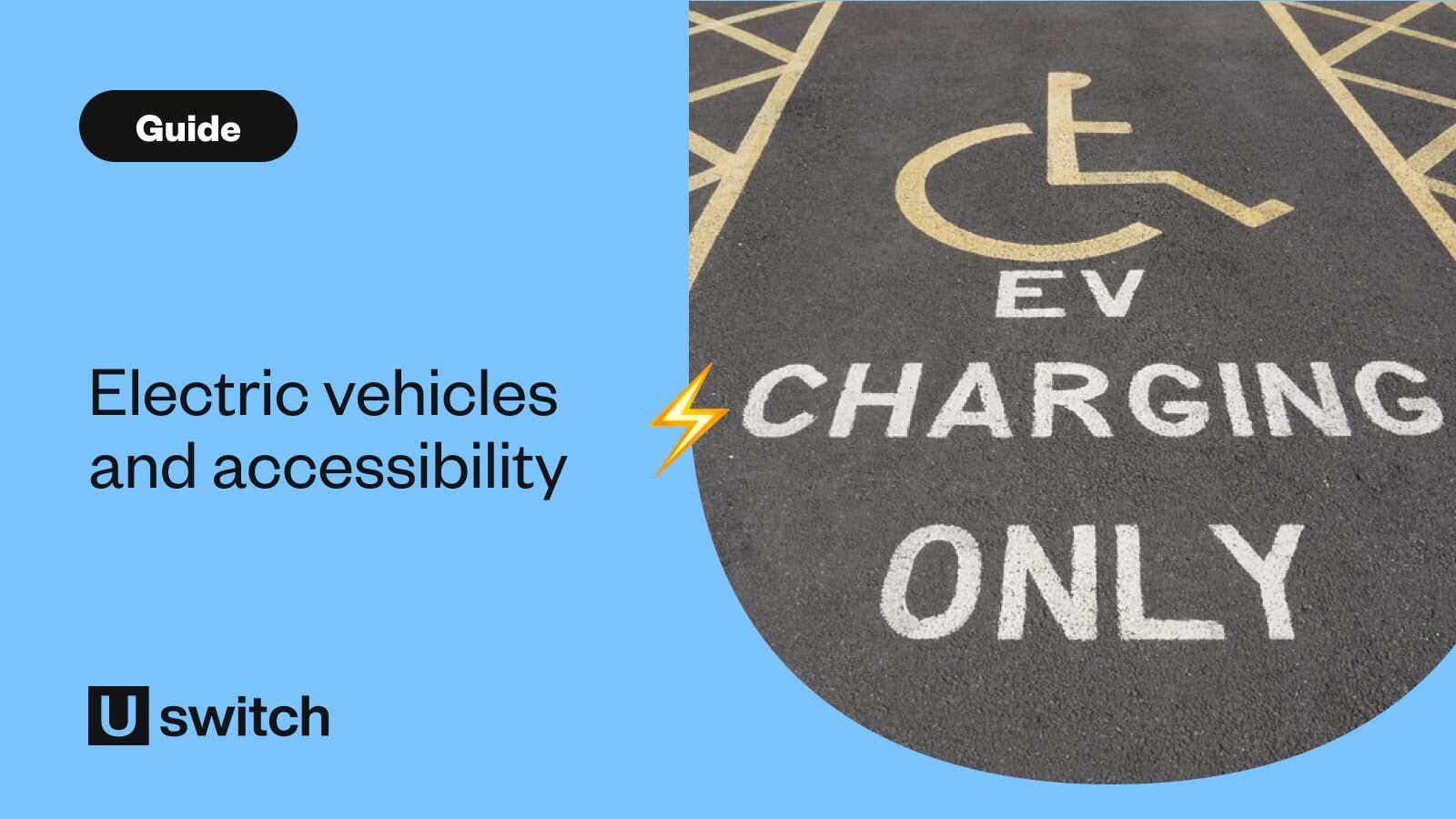
What are the advantages of driving an EV with a disability?
Those who experience muscular or joint pain, or are sensitive to loud noises, might prefer to drive an EV, the ride is smoother because it’s an automatic and there are no gears to change, and quieter because it doesn’t have an engine that makes any noise.
Additionally, filling up a petrol or diesel car can be difficult for people who have trouble gripping the fuel pump nozzle. As EV drivers just have to plug their car in to charge, this should make things easier for those with arm or hand pain, or those with artificial limbs.
What are the disadvantages of driving an EV with a disability?
It’s worth noting, though, that there are disadvantages for EV drivers with disabilities as well. The chargers themselves can be heavy and range anxiety can be particularly acute for those with pre-existing psychological challenges.
While the charging process itself can be a challenge, the area around the charging points also usually leaves something to be desired when it comes to accessibility. According to CarWow (as of July 2026), 75% of councils don't operate any accessible public charging points. Issues can include:
- Lack of dropped kerbs
- Not enough room to unload wheelchairs
- Chargers too tall
- Screens couldn’t be seen clearly from seated position
- Chargers and cables positioned too high
- Lack of help screens and signs.
As the number of EV drivers increases, improvements will have to be made to the design of the vehicles and the public charging infrastructure.
What measures exist (or are being developed) to help EV drivers with a disability?
In the car
Various modifications can be made to an electric vehicle to help drivers with accessibility requirements, in the same way that modifications can be made to a manual petrol or diesel car.
For instance, hand controls for accelerating and braking can be added to help those who can’t effectively use their feet or legs to control the pedals. Electronic accelerators can be added to different points around the driver’s seat wherever is most comfortable - on or behind the steering wheel is a common place. Pedal and steering wheel modifications can also be implemented to make operating them easier.
At charging points
The Department for Transport is working with Motability (a charity supporting disabled drivers in the UK) to revamp charging point access (with Motability also focused on accessible EV design). At the core of the strategy is a new set of standards that will group charging points into one of the following categories that will help drivers assess if they meet their needs:
- Fully accessible
- Partially accessible
- Not accessible.
Work will focus on ensuring that kerb height and the height of the charging points will be suitable for wheelchair users.
Are there any discount schemes available for those with accessibility needs who want an EV?
Motability runs a scheme to help drivers with accessibility needs to get behind the wheel affordably. It’s open to those who receive at least one of the following:
- Enhanced Rate of the Mobility Component of Personal Independence Payment (ERMC PIP)
- Higher Rate Mobility Component of Disability Living Allowance (HRMC DLA)
- Armed Forces Independence Payment (AFIP)
- War Pensioners’ Mobility Supplement (WPM).
The scheme provides the following:
- A wide range of plug-in EVs to choose from
- Insurance for a maximum of three named drivers
- Servicing, maintenance and repairs
- Support for installing a charging point at home.
